How to Choose a Power Bank for Daily Use and Travel
Start with the way you carry it
A power bank for a short commute has different priorities from one used on a long trip. Capacity matters, but so do weight, shape, port selection and how quickly the power bank itself can be recharged.
Build a simple shortlist
Daily carry
Prioritise a compact design, dependable USB-C connectivity and enough reserve for your normal day. A comfortable shape often matters more than maximum capacity.
Travel
Look for a useful balance of capacity and weight, plus enough ports for the devices you actually carry. Check the current airline and airport rules before flying; battery limits and carry-on requirements can change.
Multiple devices
If you charge a phone, earbuds, tablet or watch together, read how output is shared. The advertised maximum may apply differently when several ports are active.
Details that signal a better product
- Clear model and capacity information
- Documented input and output standards
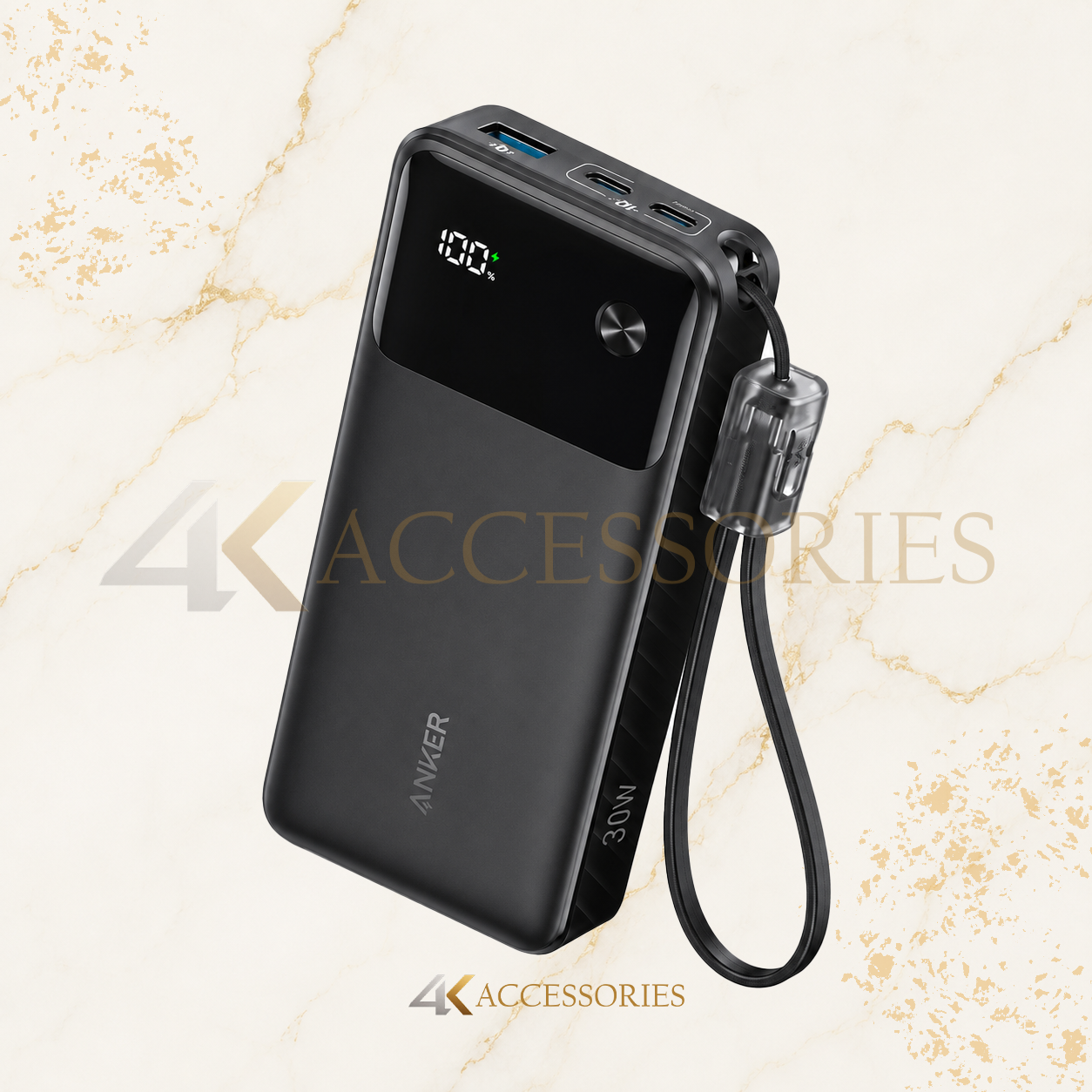
- A battery indicator that is easy to read
- A practical cable and port layout
- Traceable brand support and warranty
Established brands such as Anker, UGREEN, Belkin and Momax offer different designs for different use cases. Compare the exact model rather than assuming every product from one brand behaves the same way.
Frequently asked questions
Should I buy the largest capacity available?
Not automatically. Larger batteries add size and weight. Choose the smallest model that comfortably covers your normal routine.
Can I take a power bank on a plane?
Rules usually treat power banks as spare batteries and commonly require them in carry-on baggage. Always verify the latest rules with your airline before travel.
Conclusion
The right power bank disappears into your routine. It has enough reserve, sensible ports, clear specifications and a size you will genuinely carry.
Explore 4K Accessories. Discover carefully selected accessories for flagship devices, with practical guidance whenever you need it.